The Advantages and disadvantages of Different Water Heating Systems
Choosing the right water heating unit for your home can be a daunting task. You'll require to evaluate the pros and cons of conventional storage tank heating systems, tankless models, heatpump, and solar alternatives - each using unique advantages and downsides that might considerably influence your energy costs, readily available area, and even the environment. While traditional storage tank heating units supply reliable warm water, their energy efficiency leaves much to be preferred. On the other hand, tankless systems master that respect but might have a hard time plumber rainham to satisfy high need. Discovering the ideal solution for your demands calls for cautious factor to consider of elements you might not have also thought about.
Key Takeaways
- Traditional tank water heaters are a well-established alternative, yet less energy-efficient and may lead to lacking warm water in huge families.
- Tankless water heating unit supply hot water on demand, improve energy effectiveness, but have higher ahead of time installment expenses.
- Heatpump water heaters are very energy-efficient, lowering utility costs dramatically, yet require intricate installation and bigger impact.
- Solar water heating unit use renewable energy, decreasing reliance on power or gas, yet have intricate setup and greater ahead of time costs.
- Crossbreed water heating remedies integrate several power resources, adapt to changing needs, and can minimize utility bills and carbon footprint, yet are extra complex to mount.
Standard Tank Water Heaters
Conventional tank water heaters are a well-established and widely-used alternative, providing a reputable and consistent source of hot water for your home. These systems utilize a power resource, normally gas or electricity, to heat and maintain water within a protected storage tank. One of the vital advantages of conventional storage tank heating systems is their easy installment, usually requiring very little disruption to your existing plumbing framework.
Nevertheless, these systems do have some downsides. They can be much less energy-efficient compared to newer tankless or hybrid models, as they continuously heat and store a full tank of water, also when you're not using it. This can result in greater energy expenses, especially if you have a high need for warm water.
In addition, tank heating units have a finite capacity, so if you have a large household or constant hot water demands, you might discover yourself running out of warm water more frequently.
Tankless Water Home Heating Systems
Tankless, or on-demand, water heating systems provide a space-saving option to conventional tank-based models, offering hot water just when you require it. These systems use high-powered heating elements to quickly heat water as it streams with, eliminating the need for a large storage tank.
While the installation needs might be extra complicated, with the need to accommodate airing vent and electric demands, the customer experience can be quite practical.
Tankless heating systems offer boosted power performance, as they do not take in power maintaining a saved supply of warm water. This can lead to considerable price financial savings in time.
Nonetheless, the in advance installation expenses are frequently higher than conventional storage tank models. Furthermore, tankless systems might have a hard time to satisfy the demands of high-volume, synchronised hot water usage, such as in huge families.
Heat Pump Hot Water Heater
As an alternative to traditional and tankless water heaters, heatpump hot water heater offer an energy-efficient service that can significantly lower your utility costs.
Unlike their equivalents, these systems use electricity to relocate heat from the surrounding air into the water, rather than straight producing heat. This process can be as much as three times more efficient, making heatpump water heaters a clever choice for eco-conscious property owners.
While the installment demands may be much more complicated than typical hot water heater, the lasting savings can make it a rewarding financial investment. These systems do have a bigger impact and call for correct ventilation, however their environmental influence is considerably lower.
Solar Water Home Heating Systems
Taking advantage of the power of the sunlight, solar water furnace provide an environmentally-friendly and cost-effective option to traditional hot water heater. These systems use solar collectors to absorb the sunlight's energy and move it to the water, reducing your reliance on electrical energy or gas. By taking advantage of this renewable energy source, you can markedly decrease your regular monthly energy expenses while lessening your carbon impact.
The setup process for solar water heaters can be much more intricate than conventional systems, as it requires the positioning of the solar collectors, a tank, and the required plumbing. However, with the aid of specialist installers, the procedure can be straightforward, and the long-lasting benefits make it a rewarding financial investment.
On top of that, solar water heater have a minimal ecological effect, as they produce no greenhouse gas exhausts during operation, making them a sustainable choice for your home.
Hybrid Water Home Heating Solutions
While solar water furnace use an eco-friendly and green option, crossbreed water home heating remedies integrate the advantages of multiple technologies to give a flexible and effective choice.
These systems make use of 2 or even more energy resource options, such as electricity, gas, or solar power, to heat water. This enables them to adjust to altering demands and weather conditions, making sure a consistent supply of hot water.
The setup needs for crossbreed systems can be a lot more complex contrasted to traditional hot water heater, as they typically involve integrating multiple components. Nonetheless, the long-term advantages can outweigh the preliminary financial investment.
Hybrid systems can be more energy-efficient, lowering your energy bills and carbon footprint. They likewise give a back-up option in case one of the energy resources comes to be inaccessible or much less trusted.
With their flexible style and boosted performance, hybrid water rainham plumber home heating options are a compelling option for home owners looking for a reliable and environmentally-conscious means to fulfill their hot water needs.
Energy Efficiency Considerations
When assessing water heater, energy efficiency is a crucial factor to take into account. It straight impacts your utility expenses and ecological impact, so you'll wish to prioritize alternatives that maximize power use.
Crossbreed systems, in particular, deal enhanced efficiency by leveraging several power sources. Compared to typical electrical or gas-powered heating units, crossbreed designs can considerably reduce your power intake. They utilize heatpump modern technology, which extracts heat from the bordering air and transfers it to the water, causing much greater effectiveness.
This converts to lower regular monthly costs and a smaller sized ecological effect. Additionally, numerous hybrid systems come with wise attributes that maximize energy usage based on your family's needs, further making best use of effectiveness.
While the in advance financial investment for a crossbreed system may be higher, the long-term financial savings on your utility costs can make it a wise selection. Very carefully consider your energy efficiency needs and seek designs that strike the appropriate equilibrium in between efficiency and ecological duty.
Maintenance and Life expectancy
It's important to regularly check your water heating system to guarantee it's running efficiently.
The lifespan of your system can vary significantly depending on the type - some might last for over a decade, while others might require replacement more often.
Be proactive concerning upkeep to obtain the most out of your hot water heater and stay clear of unforeseen breakdowns.
Normal Inspection Recommended
Routine inspections are a must to ensure your water heating unit runs safely and efficiently for many years to come. Most suppliers recommend having your system inspected at the very least annually, though some kinds might need more constant exams.
During this yearly checkup, an expert will completely analyze your system, seeking any indications of wear or damage that could compromise its performance or safety. They'll check the thermostat, heating elements, and various other key elements, screening for appropriate functionality. They'll also remove any kind of dirt or particles that's built up, to advertise ideal air movement.
If any kind of issues are determined, they can resolve them as soon as possible prior to they rise. Routine upkeep is the very best method to capture issues early, prior to they lead to an abrupt malfunction or, even worse, a safety and security risk.
Durability Varies by System
The durability of your water heating system mostly depends on the sort of system you have and just how well you keep it. As an example, tankless water heaters can last up to twenty years, while traditional tank-style versions normally last 8-12 years. The installation elements, like appropriate sizing and placement, play a big role in the length of time your system will certainly last.
Additionally, the quality of your home's water can impact the lifespan of any kind of water heater. Difficult water, with its high mineral material, can cause debris accumulation that clogs pipes and damages inner components. This minimizes efficiency and at some point brings about total system failure.
To obtain one of the most out of your hot water heater, be sure to adhere to the supplier's maintenance referrals, like flushing the tank consistently. With the best care, you can take full advantage of the longevity of your water heating system, regardless of the kind.
Do not forget - your system's lifespan is largely in your hands.
Price of Ownership
Although the first expense of a water heating unit can be significant, you'll require to consider the long-lasting expenses of ownership when picking the right alternative for your home. The preliminary investment may be higher for some systems, like tankless or solar water heaters, however they can offer substantial lasting savings on your power bills.
Conversely, a conventional tank-style water heater may have a reduced ahead of time price, but its higher operating expenses can accumulate in time.
Additionally, elements like the efficiency of the system, regional utility rates, and the system's life-span all play a role in determining the general cost of ownership. Some systems, like heatpump water heaters, featured tax obligation credits and discounts that can balance out the preliminary cost.

Inevitably, considering the tradeoffs between ahead of time expenses and long-lasting savings is crucial in finding the water home heating service that fits your budget and power requires ideal.
Frequently Asked Questions
Just how Do I Choose the Right Hot Water Heater Dimension for My Home?
When selecting the appropriate hot water heater size for your home, the crucial elements to take into consideration are your house dimension and water heater ability.
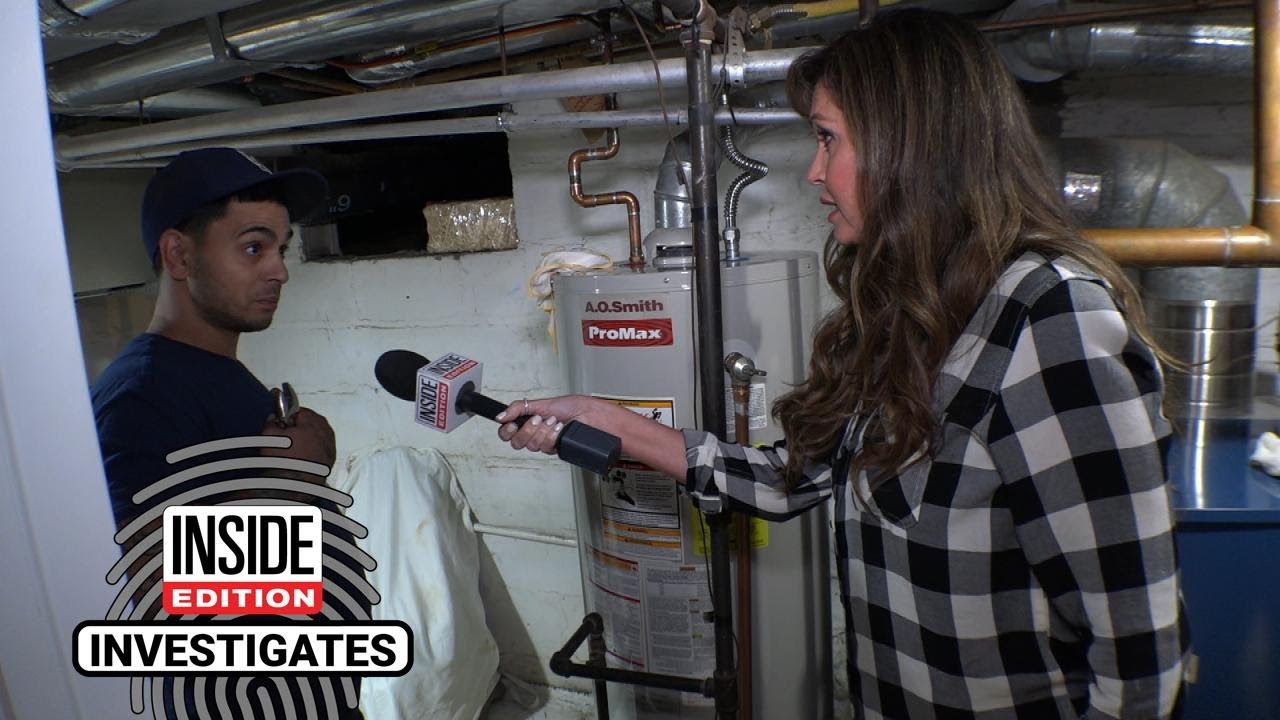
Establish the number of people live in your home and their hot water usage. This will assist you pick a hot water heater with the ideal ability to fulfill your family's needs.
Don't fail to remember to factor in any type of future adjustments to your house.
The appropriate dimension water heater will ensure you always have enough hot water without throwing away power.
Can I Install a Water Heater Myself or Do I Required a Professional?
While DIY installation of a water heater might be alluring, it's necessary to take into consideration safety and security considerations.
Tackling this project on your own can be risky and calls for specialized knowledge. It's normally recommended to hire a professional plumber to handle the installation.
They have actually the needed expertise, devices, and licenses to ensure the task is done safely and up to code.
Attempting a DIY installment without the proper skills can bring about leaks, electrical hazards, or even devastating failures.
It's just not worth the risk - let the professionals manage it.
Exactly how Do I Know if My Water Heater Needs to Be Changed?
You can recognize if your hot water heater needs replacement by searching for a few vital signs.
If your water takes longer to warm up, makes unusual sounds, or is dripping, these are all indications it's time for a replacement.
In addition, if your hot water heater is over 10 years old, it might be getting to completion of its life-span and ought to be assessed for replacement.
Do not await a full breakdown - address these replacement indications proactively.
What Are the Ecological Advantages of Different Water Heating Systems?
When it pertains to environmental advantages, solar water heaters and tankless systems are terrific alternatives.
Solar hot water heater make use of the sun's power to heat your water, decreasing your carbon impact.
Tankless systems, on the other hand, are a lot more energy-efficient than conventional tank heating systems, as they just heat water on-demand. This suggests you're not throwing away energy keeping a whole tank of water hot at all times.
Both systems can significantly decrease your environmental effect and power costs.
Just How Can I Lower My Water Heating Expenses Year-Round?
To reduce your water home heating costs year-round, think about making some energy-efficient upgrades.
Updating your home's insulation can significantly reduce your heating & cooling costs.
You can likewise consider tankless water heaters or heat pump hot water heater - these are a lot more energy-efficient than typical tank models.
In addition, simple steps like lowering your hot water heater's temperature and protecting hot water pipes can assist you save money on your power costs all year long.
Verdict
When selecting a water heating unit, you'll require to consider the pros and cons.
Conventional storage tanks offer trustworthy warm water, but they're energy-hungry.
Tankless systems are reliable, yet may have problem with high need.
Heatpump and solar are environment-friendly, yet require even more complicated installment.
Hybrid remedies incorporate benefits, though they're more expensive upfront.
Eventually, your decision depends on your home's needs, spending plan, and environmental priorities.